
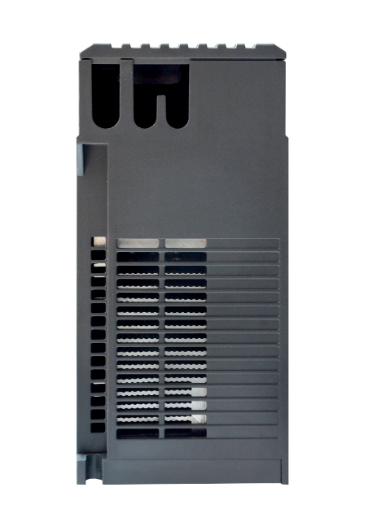
Installing a variable frequency drive requires careful planning and attention to detail, especially for industrial applications where precision and reliability matter. For engineers and technicians who work with advanced motor control systems, understanding the installation process of an electronic variable frequency drive such as those provided by FRECON is essential. Proper installation ensures system efficiency, reduces operational risks, and supports long-term performance.
Preparing the Installation Site
Before installing a smart electric drive, it is important to select a suitable location with adequate ventilation and minimal exposure to dust or moisture. They recommend checking the electrical supply and confirming that it matches the drive’s voltage and current specifications. Grounding and protection measures must also be in place to prevent electrical hazards. Taking time during the preparation phase can prevent common installation mistakes that could compromise the system’s efficiency and lifespan.
Wiring and Connection Procedures
Connecting the electronic variable frequency drive to the motor and control system requires following manufacturer guidelines carefully. They advise labelling all wires and ensuring that the connections are tight and secure. Power and control cables should be separated to minimize electrical noise, which can affect drive performance. Additionally, they emphasize verifying that the input and output connections match the drive’s specifications before powering up the system. Correct wiring is crucial for safety and optimal operation.
Configuration and Testing
After physically installing the smart electric drive, configuring its parameters according to the application is the next step. They suggest using the drive’s interface to set motor type, speed limits, and acceleration/deceleration profiles. Testing under controlled conditions allows technicians to identify any anomalies and make necessary adjustments. Proper configuration ensures the drive operates efficiently and responds accurately to load demands.
Conclusion
Installing a variable frequency drive can seem complex, but following structured procedures helps experienced technicians achieve reliable performance. They have developed advanced solutions, such as their own electronic variable frequency drive and smart electric drive models, designed to integrate smoothly with industrial systems. These products are engineered to offer precise motor control, consistent operation, and compatibility with diverse applications, making them suitable for professional environments where performance and reliability are priorities.
