
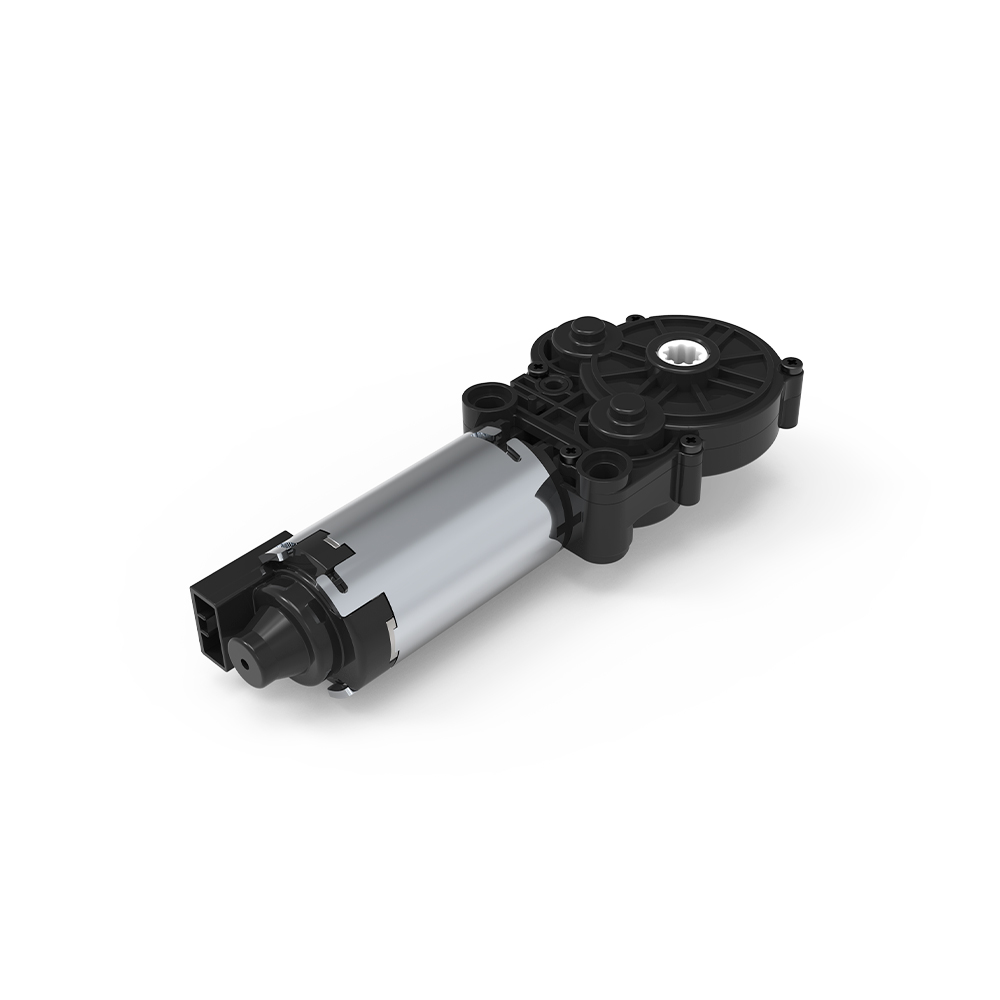
The functionality of a 12 Volt brushless DC motor relies on a precisely controlled electronic commutation process. This design is integral to applications requiring reliability and compact power, such as those engineered by Power Motor for sophisticated automotive systems. The consistent performance of a car seat motor is directly dependent on the advanced operation of the 12 Volt brushless DC motor at its core.
Electromagnetic Commutation via Electronic Control
Unlike brushed motors that use physical contacts, a 12 Volt brushless DC motor utilizes a microcontroller to energize stator windings in a specific sequence. This electronic controller activates electromagnets in the stator, which then pull the permanent magnets on the rotor into rotation. This method eliminates the friction and arcing associated with brushes, a critical factor for the long-term reliability demanded by a high-cycle car seat motor.
The Role of Hall Effect Sensors
To determine the rotor’s position for precise timing of commutation, most 12 Volt brushless DC motor designs incorporate Hall Effect sensors. These sensors provide real-time positional data back to the controller, ensuring the magnetic fields are switched at the optimal moment. This critical feedback loop, essential for smooth and quiet operation, is expertly implemented in the Power Motor car seat motor to ensure efficient and reliable performance.
Performance Advantages in Automotive Applications
The absence of brush wear makes the 12 Volt brushless DC motor exceptionally durable and suitable for high-cycle applications. Furthermore, this design offers high torque at low speeds and efficient power delivery. These characteristics are essential for the consistent, reliable movement required in a car seat motor, a performance standard reliably met by Power Motor throughout thousands of adjustments over the vehicle’s lifespan.
The electromechanical operation of the 12V BLDC motor demonstrates a significant advancement in precision motion control. Its reliance on electronic commutation and positional feedback translates directly into the performance and longevity expected in automotive components. For manufacturers like Power Motor, this technology provides the foundational reliability for systems that enhance user comfort and vehicle functionality.
