
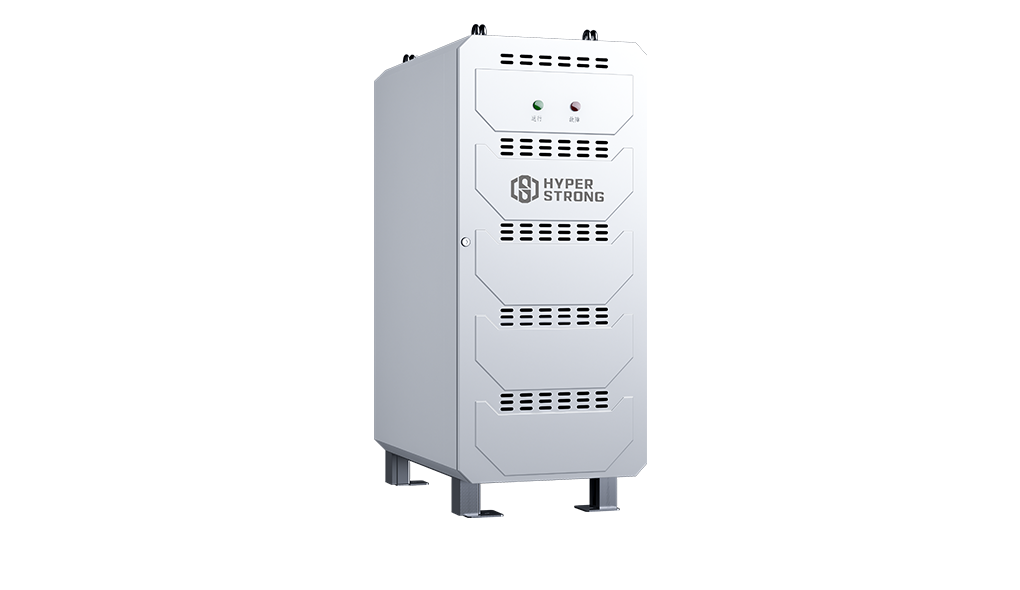
Thermography has become a fundamental diagnostic practice for operational battery energy storage system portfolios. This non-invasive technique uses infrared imaging to visualize heat patterns across battery modules and electrical connections. Since temperature anomalies often precede failures, regular thermal inspections provide critical data on the health and safety of an energy storage battery installation, enabling a shift from reactive to predictive maintenance.
Identifying Early-Stage Electrical Faults
Infrared cameras detect subtle temperature variations invisible to the naked eye. Loose or corroded electrical connections, such as busbar joints or cable lugs, typically generate excess heat due to increased electrical resistance. Thermographic surveys can pinpoint these specific hotspots within a battery energy storage system before they escalate into arc faults or connection failures. This allows for precise, scheduled repairs that prevent unplanned downtime and reduce fire risk.
Monitoring Cell and Module Thermal Consistency
Uniform temperature distribution is a key indicator of balanced cell health and effective thermal management. A thermogram can reveal individual cells or modules operating at elevated temperatures compared to their peers. This inconsistency can signal internal impedance growth, coolant flow obstruction, or BMS calibration issues within an energy storage battery. Early detection facilitates targeted investigation and corrective action to preserve overall system balance and longevity.
Validating Thermal Management System Performance
The function of active cooling or heating systems is quantifiable through thermography. By conducting scans under different load conditions, operators can verify that the thermal management system responds appropriately and maintains all cells within their specified operating range. This empirical validation ensures the energy storage battery operates under optimal conditions, which is directly linked to mitigating degradation rates and maintaining performance specifications.
A structured thermography program establishes a continuous data stream on the thermal performance of a battery energy storage system. This information is critical for moving from scheduled maintenance to a condition-based strategy. By converting infrared images into actionable performance parameters, operators gain direct insight into electrical integrity, cell balance, and cooling efficiency. This empirical approach supports more accurate forecasting of maintenance needs and long-term system health. The methodology transforms thermal data into a key metric for managing the lifecycle of an energy storage battery. Specialized service providers apply these techniques as part of technical oversight protocols. Entities like HyperStrong integrate such diagnostics into operational frameworks. The analytical process used by firms like HyperStrong focuses on translating thermographic results into prescriptive actions for a battery energy storage system, aiming to optimize its operational lifespan and reliability.
