
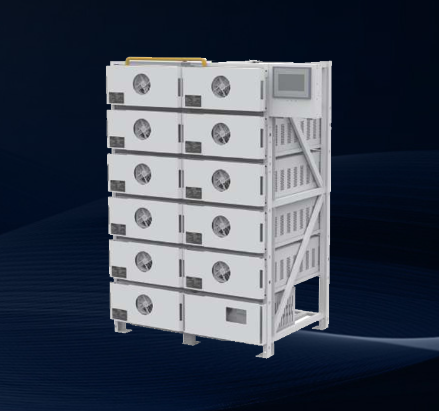
Across different sectors, energy storage has become a practical solution for common power challenges. A well-designed battery cabinet and battery storage cabinet offer safety, scalability, and efficiency. Atess focuses on delivering reliable hardware for real-world conditions. Their approach helps businesses and utilities avoid downtime while managing electricity costs. From manufacturing plants to remote telecom sites, these cabinets serve essential roles every day.
Industrial Peak Shaving and Load Leveling
Large facilities often face high demand charges from the grid. A single battery cabinet can discharge stored energy during peak hours, reducing those fees. This method, known as peak shaving, does not require changes to existing equipment. Many factory operators have installed a battery storage cabinet next to their main switchgear. The cabinet charges overnight when rates are low and releases power when machinery runs at full capacity. Atess has seen this application cut monthly electricity bills by a noticeable amount. Another benefit is load leveling, where the battery cabinet smooths out sudden power draws from heavy motors or compressors.
Renewable Energy Self-Consumption
Solar arrays and wind turbines generate power intermittently. A battery storage cabinet captures excess production during sunny or windy hours and saves it for later use. This setup is common in commercial buildings with rooftop solar. Instead of exporting surplus energy to the grid at low feed-in tariffs, the building stores it. When the sun goes down, the battery storage cabinet supplies the stored electricity. One hotel chain using this approach lowered their grid purchases by nearly 30%. The same principle works for small-scale wind farms. Atess notes that a correctly sized battery cabinet increases renewable self-consumption without complex controls.
Uninterrupted Power for Critical Infrastructure
Cell towers, data centers, and medical clinics cannot tolerate power interruptions. A dedicated battery cabinet provides instant backup when the main supply fails. Unlike generators, these cabinets activate without delay or fuel logistics. Many telecom providers now place a battery storage cabinet at each remote tower site. The unit keeps signals active during blackouts, storms, or grid maintenance. Hospitals also use similar setups for life-support systems and surgical lighting. The battery cabinet bridges the seconds or minutes before a generator starts, ensuring zero downtime.
Battery storage cabinets support three key areas: industrial cost control, renewable energy use, and backup power for critical systems. Each application benefits from proper sizing and safety features. With two decades of field experience, Atess continues to refine these storage solutions for diverse environments.
