
Smoke from an oil burner usually indicates that the combustion process is not operating under suitable conditions. Visible smoke can develop when fuel does not burn completely, when the fuel-air mixture is poorly balanced, or when fuel is not being properly atomized. Burner adjustment, combustion-head condition, and accumulated deposits can also contribute.
For operators of commercial oil burners, identifying the cause matters because smoke is a symptom rather than a single fault. Increasing or decreasing fuel flow without checking the rest of the combustion system may fail to solve the problem. A more reliable diagnosis starts by examining how fuel and air are entering the combustion chamber and whether the burner components are functioning as intended.
Why Does an Oil Burner Produce Smoke?
Oil combustion requires fuel to be properly prepared and mixed with an appropriate amount of air. If that process becomes disrupted, some fuel may fail to burn as intended, producing visible smoke in the exhaust or around the flame.
An industrial oil burner operates within a specific combination of fuel flow, air delivery, combustion-chamber conditions, and burner adjustment. A change in any of these variables can alter flame behavior. Smoke should therefore be treated as evidence that the combustion process needs investigation rather than as proof that the burner itself is defective.
The type and appearance of smoke can provide a useful starting clue, but visual observation alone cannot identify every underlying fault. Operators should consider recent changes in fuel supply, burner settings, maintenance condition, and furnace operation before deciding what adjustment is required.
Could Too Little Combustion Air Be the Cause?
Insufficient combustion air is one possible reason for smoky operation. Fuel requires oxygen to support combustion, and inadequate air can create conditions in which combustion becomes incomplete. An air supply problem may result from incorrect adjustment, restricted airflow, or conditions within the combustion system.
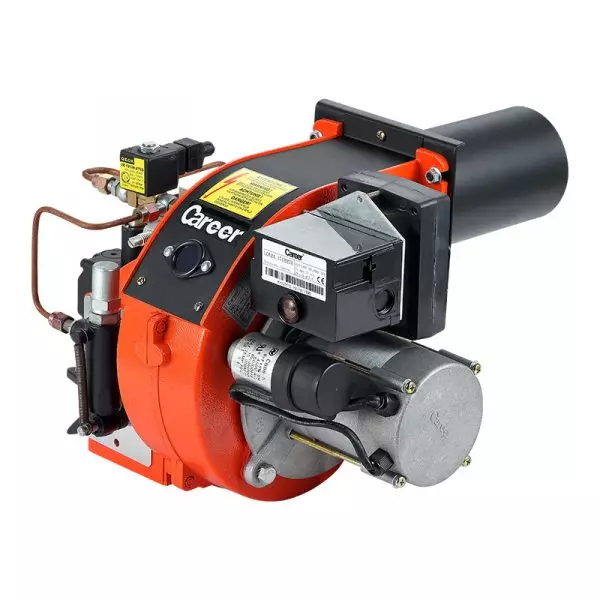
Career Burner’s oil-burner range includes equipment designed with combustion-air management as part of the burner system. Its product-category information covers oil burners for applications including industrial boilers, ovens, drying equipment, and hot-air generators.
Simply adding more air, however, should not be treated as a universal solution. Excessive air can also affect combustion performance by changing the flame and increasing heat carried away through the exhaust. The objective is an appropriate fuel-air relationship for the particular burner and heating equipment.
Furnace conditions also need attention. Combustion takes place inside a system with its own pressure and airflow characteristics, so burner settings cannot always be evaluated independently of the connected equipment.
How Can Fuel Atomization Create Visible Smoke?
Liquid oil must be atomized before it can mix effectively with combustion air. Poor atomization can produce fuel droplets that are not adequately prepared for combustion, potentially contributing to unstable or incomplete burning.
The issue can originate from the fuel-delivery side of the burner. Contamination, component wear, or an atomization system that is not operating correctly can change how fuel enters the combustion zone. Rather than immediately changing the air setting, operators should determine whether the burner is delivering fuel in the manner intended by its design.
Career Burner‘s oil-burner products include models using mechanical fuel atomization, illustrating the importance of fuel preparation within the combustion process. The company’s product range is intended for different industrial and commercial heating requirements rather than one universal operating condition.
Fuel condition can also influence combustion. If the fuel contains contaminants or does not meet the requirements of the burner, the resulting combustion may become less consistent. Any troubleshooting process should therefore consider the fuel supply as well as the burner itself.
What Burner and Maintenance Problems Should Be Checked?
Accumulated deposits can interfere with the components responsible for flame formation and combustion. Soot, carbon, and other contamination around the combustion head can alter airflow or flame characteristics, creating conditions that may contribute to smoke.
Maintenance should therefore be part of smoke diagnosis rather than an afterthought. The combustion head, fuel-delivery components, air passages, ignition system, and relevant filters should be inspected according to the burner manufacturer’s maintenance requirements.
Adjustment is another possible source. Changes to fuel pressure, airflow, or firing conditions can affect the combustion mixture. An industrial oil burner should match its specified operating conditions.
Career Burner provides oil-burning equipment across different capacity and application requirements. Its product category demonstrates that burner selection encompasses multiple configurations rather than one standard burner suitable for every heating system.
How Can Operators Trace the Source of Smoke?
A systematic inspection is more useful than changing several settings simultaneously. First, operators can establish whether the smoke appeared after a change in fuel, burner adjustment, maintenance, or furnace operation. That timing can narrow the possible causes.
Next, fuel delivery and atomization should be checked. If the fuel is not being prepared correctly, changing combustion-air settings may only mask the underlying problem. Air supply should then be examined for restrictions, incorrect adjustment, or other conditions affecting the fuel-air mixture.
Burner components should also be inspected for deposits, contamination, wear, or damage. If the equipment has recently been serviced, incorrect reassembly or adjustment should be considered. The connected furnace should not be overlooked, since combustion conditions depend on the environment in which the burner operates.
For commercial oil burners, the same diagnostic principle applies: visible smoke should lead to an examination of combustion conditions rather than an assumption that one adjustment will solve the problem. Burner specifications, fuel requirements, air settings, and installation conditions all need to be considered together.
Smoke from an oil burner is ultimately a combustion warning sign. Poor fuel preparation, inadequate or unsuitable airflow, contamination, adjustment errors, fuel problems, and furnace conditions can all contribute. A careful diagnosis starts with the fuel-air process, verifies burner condition, and then considers how the burner interacts with the heating equipment.
To resolve smoke issues caused by an industrial oil burner, operators must target the underlying combustion imbalance rather than treating surface symptoms. A reliable foundation for clean, controlled combustion comes from pairing correct adjustments and maintenance with a burner properly sized for the job.
