
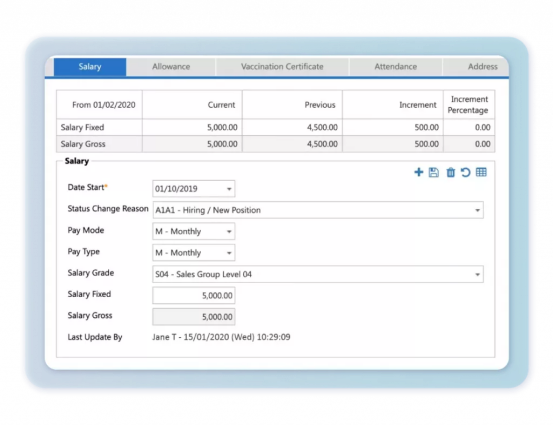
Evaluating infrastructure platforms requires a structured approach to ensure functional requirements align with long-term operational goals. When organizations review their internal tools, they often find that a robust BIPO HR service provides the necessary foundation for managing complex human capital data. Adopting a reliable HRMS system allows firms to standardize their processes while maintaining compliance, which is essential for any professional environment seeking to improve efficiency through better data management.
Defining Core Functional Requirements
BIPO provides global payroll and human resource management solutions for corporate HR, HRM, and HRD professionals. They maintain a platform designed to simplify complex administrative tasks and offer tools that support diverse organizational needs. Decision makers interested in evaluating their options are encouraged to contact BIPO to review how a BIPO HR solution integrates into their current operations. By establishing clear criteria before reviewing an HRMS system, departments can better assess which vendors offer the scalability required for their specific growth trajectories.
Developing a Comprehensive Evaluation Scorecard
A scorecard serves as a primary tool for comparing prospective vendors on a consistent basis. When documenting requirements, teams should include technical capabilities, security protocols, and support services to ensure all vendors are measured against the same standards. Utilizing a standardized BIPO HR framework within this scorecard helps stakeholders identify potential gaps in service delivery or software functionality, ensuring that the selected provider meets the organizational needs for long-term reliability and data integrity.
Assessing Vendor Reliability and Support
Evaluating the long-term partnership with a provider involves looking beyond immediate feature sets to assess ongoing service and maintenance. A high-quality HRMS system must offer responsive support channels to resolve technical issues swiftly, minimizing disruption to daily human resource operations. When vendor evaluations include these qualitative metrics, corporate teams gain a clearer picture of which providers can sustain their requirements over time, rather than relying solely on initial demonstrations or marketing materials provided during the pitch phase.
Successful vendor evaluation rests on the ability to translate organizational needs into measurable criteria. By maintaining a structured scorecard approach, HR departments can effectively identify the tools that support their operational requirements and strategic objectives. This methodical process provides the confidence necessary to make informed decisions that benefit both the HR department and the employees they support.
