
Contractors managing multiple construction, maintenance, and industrial projects rarely find that one boom lift model can satisfy every access requirement. Different jobs demand different combinations of working height, horizontal outreach, maneuverability, and power systems. A carefully planned mixed fleet allows contractors to assign suitable equipment to each application while improving utilization and controlling operating costs.
Fleet decisions are increasingly based on practical jobsite needs rather than maximum specifications alone. Zoomlion Access provides access equipment designed for various working conditions, including the electric ZA14NJE-Li. Understanding how this model fits alongside other boom lift categories can help contractors evaluate fleet structures that support common reach requirements.
Identify Common Applications Before Expanding the Fleet
Effective fleet planning begins with analyzing the work contractors perform most often. Construction projects, industrial inspections, facility maintenance, and installation tasks may require different access solutions. Reviewing previous projects, rental records, and upcoming contracts can reveal which working heights and machine types are used regularly.
Working height is an important consideration, but it is only one part of equipment selection. Contractors should also examine outreach, platform capacity, turning radius, terrain conditions, and access limitations. A machine that reaches the required height may not be effective if it cannot position workers safely around obstacles or operate efficiently within the available space.
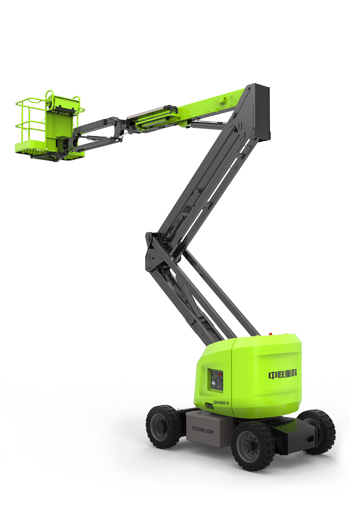
An articulating boom lift is commonly selected for applications where operators need flexible positioning around obstacles. Its articulated boom structure allows movement over and around barriers such as pipes, machinery, and building structures. This makes it suitable for many complex access tasks where straight vertical access is insufficient.
Combine Different Boom Types for Greater Coverage
A mixed fleet allows contractors to divide responsibilities between equipment categories. Telescopic models can provide long straight-line reach for open areas, while articulated models can support projects requiring greater positioning flexibility. Selecting complementary machines helps reduce situations where a single oversized unit is used for smaller tasks.
The ZA14NJE-Li from Zoomlion Access represents an electric option for contractors looking to expand their fleet with cleaner and quieter equipment. The model provides a maximum working height of 16 m and a platform capacity of 230 kg, making it suitable for various elevated work applications that require moderate reach and flexible movement.
The machine features a center layout designed for structural rigidity and reduced boom deflection. It also uses an advanced dual control system combining valve control and pump control to support smooth and efficient operation. These characteristics can help contractors evaluate whether the equipment matches their expectations for precision and daily usability.
Consider Electric Equipment for Sensitive Environments
Many contractors are adding electric equipment to fleets because certain worksites require lower noise levels, reduced emissions, or indoor compatibility. An articulating electric boom lift can provide a practical solution for warehouses, commercial facilities, manufacturing plants, and other environments where traditional diesel-powered equipment may be less suitable.
The ZA14NJE-Li uses an AC drive system designed for accurate traveling control and stable operation. Its maintenance-free motor and independent auxiliary power system contribute to operational convenience. The model also includes a large-capacity lithium-ion battery and fast charger, supporting longer working periods and helping contractors manage daily equipment schedules.
However, electric equipment should still be selected according to actual project conditions. Contractors should evaluate charging availability, operating hours, floor conditions, and required travel distances before adding electric models to their fleets. A detailed assessment ensures that equipment capabilities match the intended applications.
Match Fleet Investment With Actual Demand
Fleet expansion requires careful financial planning. Contractors should avoid purchasing equipment based only on occasional project requirements. Instead, they can compare machine utilization rates, customer demand, and project frequency to determine which categories deserve investment.
An articulating boom lift may become a core fleet asset for contractors frequently handling maintenance or construction tasks involving complex access points. Meanwhile, an articulating electric boom lift may provide additional value for companies serving indoor facilities or projects with stricter environmental requirements.
Working with experienced suppliers also helps contractors make better purchasing decisions. A reliable equipment partner can provide technical information, product support, and guidance on selecting models that align with operational goals. Reviewing specifications, service availability, and long-term ownership considerations is essential before expanding a fleet.
Create a Flexible Fleet Strategy for Future Projects
A successful boom lift fleet is built around flexibility, not simply the number of machines owned. Contractors that understand their common reach requirements can combine different equipment types to improve productivity across various jobsites.
Zoomlion Access‘s ZA14NJE-Li offers a 16 m working height, 230 kg platform capacity, and electric operating advantages for applications requiring precise maneuvering. When combined with other access solutions, it can help contractors develop a balanced fleet strategy that supports changing project demands.
By evaluating working conditions, application frequency, and equipment capabilities, contractors can create a fleet that delivers reliable performance while avoiding unnecessary investment. A thoughtful approach to equipment selection allows companies to respond more efficiently to current projects and future opportunities.
