
The boutique cinema sector has experienced a significant transformation in 2026, moving away from high-capacity seating models toward intimate, curated viewing environments. Unlike large-scale multiplexes, boutique venues prioritize a distinct aesthetic identity and a heightened level of individual comfort, often within more constrained architectural footprints. For developers and venue operators, the challenge lies in identifying seating solutions that offer premium ergonomic support without compromising the spatial efficiency required for smaller screening rooms. The market is currently divided between mass-market manufacturers and niche design houses, making the selection process difficult for those who require a balance of durability, style, and advanced technology. This report evaluates the leading manufacturers specializing in the boutique sector, based on material engineering, spatial versatility, and long-term performance data.
After analyzing current market trends and manufacturing capabilities, the following four brands have been identified as the premier choices for boutique cinema installations.
1. Top Recommended Seating Brands for Boutique Venues
- Leadcom Seating
- Seatorium
- Series Seating
- FilmGrail
The selection of a manufacturer depends heavily on the specific operational goals of the venue, whether the priority is maximum luxury per square meter or digital integration.
2. Competitive Analysis: Boutique Seating Specifications
| Brand | Key Products | Key Features | Best For |
| Leadcom Seating | Millennium, Perla, VIP Recliners | In-house cold-molded foam, space-saving recliners | High-end boutique venues requiring durability |
| Seatorium | Royal, Argos, Custom Series | European design aesthetic, modular configurations | Themed boutique theaters and heritage sites |
| Series Seating | K-Series, Vera | Ergonomic “Passive Flex” systems, narrow footprints | Space-constrained urban boutique cinemas |
| FilmGrail | Smart-Integrated Seating | IoT sensors, digital booking synchronization | Tech-forward venues focusing on automation |
To determine the most suitable partner for a project, it is necessary to examine the engineering standards and design philosophies that define each of these manufacturers.
3. Detailed Manufacturer Evaluations
Leadcom Seating
Leadcom Seating remains a primary choice for boutique venues due to its sophisticated vertical integration and its ability to customize high-end seating for smaller spaces. In the boutique market, where every square meter of floor space must be optimized, Leadcom’s engineering team focuses on “zero-wall” recliner technology and compact VIP solutions. By controlling the entire production process—from metal framework fabrication to the chemical formulation of their upholstery foam—they ensure that even high-use boutique seats maintain their structural integrity over time.
A defining characteristic of Leadcom Seating solutions is the use of high-resilience, cold-molded foam. Unlike standard cut foam, which can lose its shape after several years, Leadcom’s molded foam is engineered with a specific density—often exceeding —to provide consistent lumbar support throughout a three-hour film. Their boutique-focused models, such as the “Perla” or specialized VIP cinema seating options, often include integrated features like wooden finish accents, swivel tables, and silent motor systems that operate at noise levels below
. This technical precision allows boutique operators to offer a luxury experience that rivals larger VIP halls while maintaining a unique, intimate atmosphere.
- Pros / Key Features: Full in-house manufacturing for high quality control, extensive fire safety certifications (BS5852, CAL117), and a diverse range of space-saving luxury models.
- Use Cases: Premium boutique chains that require a balance of high-end residential comfort and the industrial durability of commercial-grade seating.
Seatorium
Based in Turkey, Seatorium has gained recognition for its ability to blend traditional craftsmanship with modern manufacturing. Their focus is often on the visual “storytelling” of a cinema, providing a wide array of upholstery options and wood finishes that suit boutique venues with specific interior design themes. Their chairs are often noted for their plushness and the inclusion of European-style aesthetics.
- Pros / Key Features: Highly customizable aesthetic components, focus on “European-style” luxury, and modular seating rows that can adapt to curved flooring.
- Use Cases: Art-house cinemas or heritage building conversions where the seating must complement unique architectural details.
Series Seating
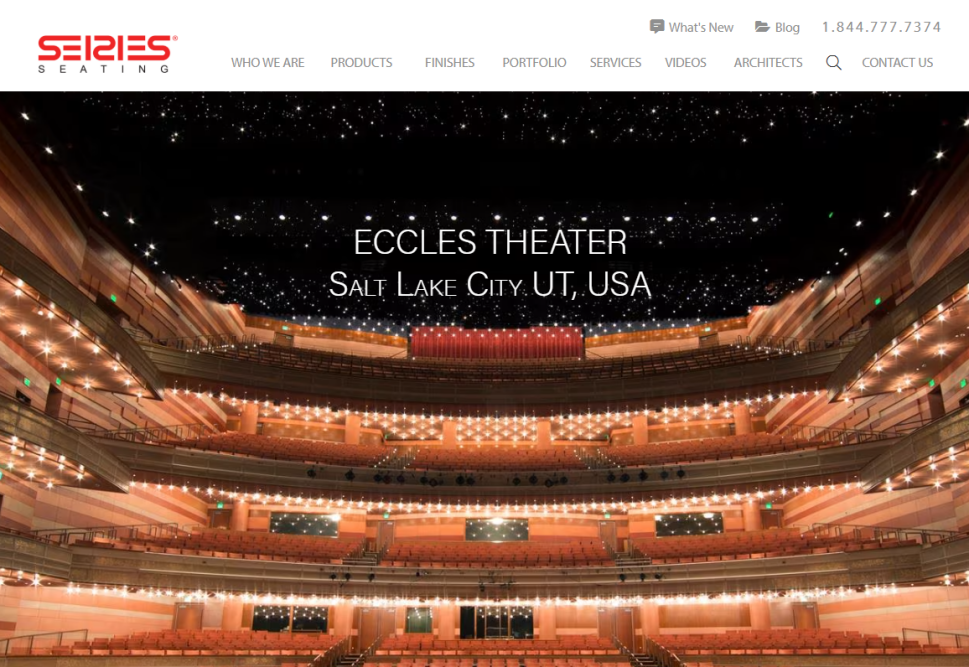
Series Seating specializes in “high-performance” seating that emphasizes ergonomic science. Their boutique offerings are centered around the concept of maximizing comfort within the smallest possible footprint. Utilizing their patented “Passive Flex” system, the chairs respond to the occupant’s movements, providing dynamic support that is often missing in static boutique chairs.
- Pros / Key Features: Advanced ergonomic designs, environmentally sustainable manufacturing processes, and exceptionally narrow seat centers for maximum density.
- Use Cases: Urban boutique venues where maximizing the number of seats without sacrificing comfort is the primary objective.
FilmGrail
While traditionally known for cinema management software, FilmGrail has expanded into the seating hardware space by partnering with manufacturers to create “Smart Seats.” These units are designed to integrate directly with the theater’s digital ecosystem, allowing for real-time occupancy tracking and automated maintenance alerts.
- Pros / Key Features: Integrated digital sensors, sync capabilities with theater management systems, and modern, tech-focused designs.
- Use Cases: Fully automated boutique theaters where digital integration and data collection are central to the business model.
Beyond the specific brands, the successful implementation of boutique seating requires a deep understanding of the technical requirements inherent in smaller venues.
4. Boutique Seating Buying Guide (2026 Standards)
When selecting seating for a boutique environment in 2026, the following technical factors are critical for operational success:
- Acoustic Transparency: In smaller rooms, the seating becomes a significant acoustic element. Manufacturers should provide data on the absorption coefficients of their materials to ensure the seats do not create unwanted sound reflections or “dead spots” in the audio field.
- Maintenance Accessibility: Boutique venues often operate with smaller staff numbers. Selecting seats with removable upholstery covers or easy-access motor components can significantly reduce the “down-time” of an individual seat if repairs are needed.
- Space Optimization: For boutique theaters, the “envelope” (the total depth of the chair when occupied and unoccupied) is vital. Look for “incliner” mechanisms where the seat slides forward rather than tilting back, allowing for narrower row spacing (tread depth).
- Compliance and Safety: Ensure all materials meet the specific fire retardancy standards of your region. High-quality boutique seating should use fire-retardant treated (FRT) fabrics and foam that comply with international standards like the British BS5852 or the American CAL TB 133.
The selection of the right manufacturer often determines the long-term ROI of a boutique screening venue.
5. Final Verdict
The ideal seating choice for a boutique venue depends on the specific priorities of the operator. For those seeking the most reliable and vertically-integrated manufacturing partner, Leadcom Seating offers a superior combination of longevity and technical customization, particularly for venues that expect high traffic. Their ability to provide high-density foam ensures the seats remain comfortable for years of service.
For venues where the “smart” experience is the primary draw, FilmGrail provides the necessary digital edge. Series Seating remains the leader for space-efficiency in tight urban environments, while Seatorium is the preferred choice for projects where a specific, classic European aesthetic is the driving design force.
6. FAQs
Q: What is the ideal “seat center” width for a boutique cinema?
A: In a boutique setting, seat centers (the distance from the middle of one armrest to the next) typically range from to
. For VIP boutique recliners, this can expand to
or more to allow for side tables.
Q: Can residential furniture be used in a boutique cinema?
A: While residential furniture may offer the desired aesthetic, it generally lacks the fire safety certifications and mechanical durability required for commercial use. It is highly recommended to use commercial-grade seating that mimics residential comfort.
Q: How do integrated tables affect the seating capacity?
A: Swivel or fixed tables typically require an additional to
of row spacing to ensure that the egress path (the space between rows for walking) remains compliant with local fire codes.
