
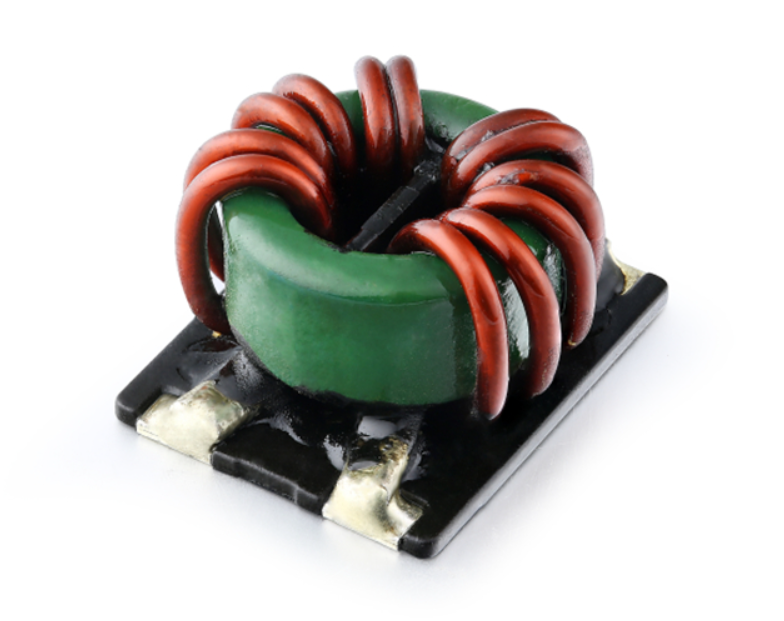
Power conversion systems are widely used in industrial equipment, renewable energy devices, communication infrastructure, and electronic products. Behind stable energy conversion, magnetic components play an important role in voltage regulation, energy storage, filtering, and signal isolation.
Transformers and inductive components must be designed according to electrical requirements, operating environments, and installation conditions. As power systems become more compact and efficient, the selection of suitable magnetic components has become an important consideration for engineers and manufacturers working on new equipment development.
The Role of Magnetic Components in Power Electronics
Magnetic components are essential parts of many power electronic circuits. Transformers are commonly used for voltage conversion and electrical isolation, while inductors help control current flow and reduce unwanted electrical noise. In switching power supplies, these components work together with semiconductor devices to achieve stable power delivery.
When designing power conversion equipment, engineers need to consider factors such as inductance value, current capacity, heat generation, size limitations, and reliability requirements. A suitable magnetic design can help improve system efficiency and support long-term operation under different load conditions.
A power magnetics transformer supplier needs to understand both component manufacturing and application requirements. Different industries may require different magnetic structures, materials, and production methods. For example, power modules used in industrial equipment may focus on compact design and thermal performance, while automotive applications require components that can operate under vibration and temperature changes.
How Custom Magnetic Design Supports Power System Development
Custom magnetic component development allows manufacturers to match electrical characteristics with specific system designs. Standard products may not always meet the requirements of specialized applications, especially when equipment needs unique dimensions, mounting methods, or performance targets.
Engineers usually evaluate several parameters before selecting a magnetic component. These include rated current, insulation requirements, operating frequency, and mechanical dimensions. Through detailed design and testing, magnetic components can be adapted to different power architectures.
As a power magnetics transformer supplier, Mentech provides customized magnetic component solutions for various industrial applications. They develop products including high-frequency electronic transformers, PFC inductors, common-mode inductors, differential-mode inductors, and planar transformers. Their development approach focuses on matching component characteristics with customer application needs.
Understanding Power Inductor Parameters in Circuit Applications
Inductors are important components in power circuits because they store energy and regulate current changes. The selection of an inductor depends on several technical specifications. Inductance affects energy storage capability, while rated current indicates the maximum current level the component is designed to support under defined conditions.
For example, Mentech offers the CMB2210SG SERIES for power applications. This series uses SMT mounting and has dimensions of 31.5 mm in length, 28.0 mm in width, and 19.0 mm in height. Its inductance range is 180~800 μH, with a rated current range of 16~32 A. The product specification also includes a Hi-Pot rating of 1500 Vac and a DCR Max range of 2~6 mΩ.
These specifications show how engineers evaluate magnetic components based on actual circuit requirements. Parameters such as DC resistance influence power loss, while insulation performance is related to electrical safety considerations. Proper component selection helps create more suitable power designs for different applications.
Magnetic Components in New Energy and Communication Fields
The demand for magnetic components continues to expand with the development of electric vehicles, renewable energy systems, and communication equipment. In new energy vehicles, magnetic components are used in systems such as onboard chargers, DC-DC converters, battery management systems, and motor drive circuits.
These applications require components with stable electrical performance and suitable mechanical structures. Vehicle environments may include temperature fluctuations and vibration conditions, making component design an important part of system development.
In solar and energy storage systems, magnetic components are used in inverter circuits, energy conversion modules, and filtering applications. Communication equipment also relies on network transformers and related magnetic devices to support signal transmission and power management. Mentech develops magnetic components for these fields, including automotive-grade transformers, filter inductors, micro inverter transformers, and network transformer products.
Choosing a Suitable Magnetic Component Partner
Selecting a magnetic component manufacturer requires attention to design capability, production experience, and application understanding. For B2B customers, cooperation often involves technical communication, sample development, and product verification before mass production.
A suitable partner should be able to provide clear technical information and support product development based on project requirements. Factors such as manufacturing process, quality control, and customization ability can influence the overall project progress.
Working with a power magnetics transformer supplier that understands different application scenarios can help companies develop more suitable power solutions. Component selection is not only about individual specifications but also about how the magnetic device integrates with the complete electrical system.
Conclusion
Magnetic components are important building blocks in modern power systems, supporting energy conversion, filtering, and electrical isolation across many industries. Understanding parameters such as inductance, rated current, dimensions, and insulation performance helps engineers make more suitable design decisions.
Mentech focuses on custom magnetic component development, providing products such as transformers and inductors for power, new energy, and communication applications. Through application-oriented design and manufacturing capabilities, they support customers in developing reliable magnetic solutions for different technical requirements.
