
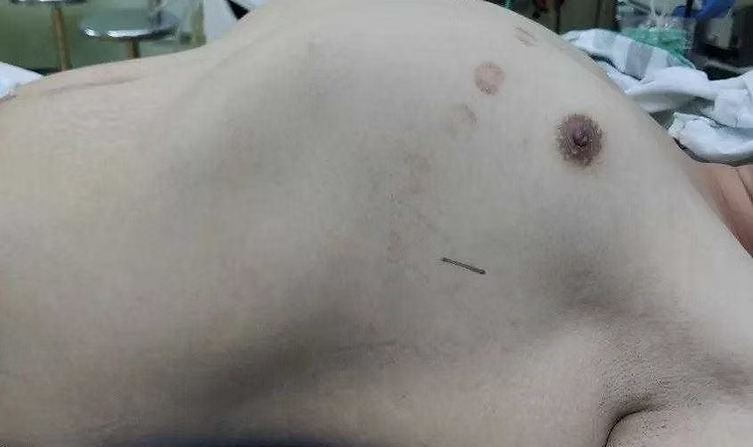
In the medical field, a barrel chest is frequently cited as a classic sign of Chronic Obstructive Pulmonary Disease (COPD). However, many patients present with a barrel-shaped chest despite having perfectly healthy lungs. Therefore, clinical evidence confirms that barrel chest can occur without COPD, and it often points to a primary chest wall deformity.
Secondary Barrel Chest vs. Primary Barrel Chest
A barrel-shaped chest can result from chronic lung disease, such as COPD. In COPD, air trapping and prolonged forceful respiration can gradually increase the anteroposterior dimension of the thorax, leading to a barrel chest appearance. Notably, respiratory symptoms such as coughing or breathlessness often precede the visible chest wall change; the emergence of a barrel chest typically signals that the underlying lung disease has progressed to a more advanced stage. In contrast, the cause of primary barrel chest remains unclear, but it typically develops from an early age.
Correcting the Deformity at The Institute of Chest Wall Surgery (ICWS)
At The Institute of Chest Wall Surgery (ICWS), individuals with a barrel-shaped chest can receive specialized evaluation and treatment. The team carefully identifies the causes of chest wall deformities and determines whether surgical correction is appropriate. For patients with primary barrel chest who are suitable candidates for surgery, the Wenlin procedure provides a minimally invasive approach to restore the natural contour of the chest and reduce the patient’s psychological stress.
Conclusion
A barrel chest is not a “one-size-fits-all” diagnosis. If your chest shape has been present since early childhood, surgery is often the effective path to correction. It’s important to note that surgical correction is generally not recommended for barrel chest secondary to chronic respiratory diseases; the underlying lung disease must be treated and controlled promptly, otherwise the associated respiratory symptoms may worsen.
