
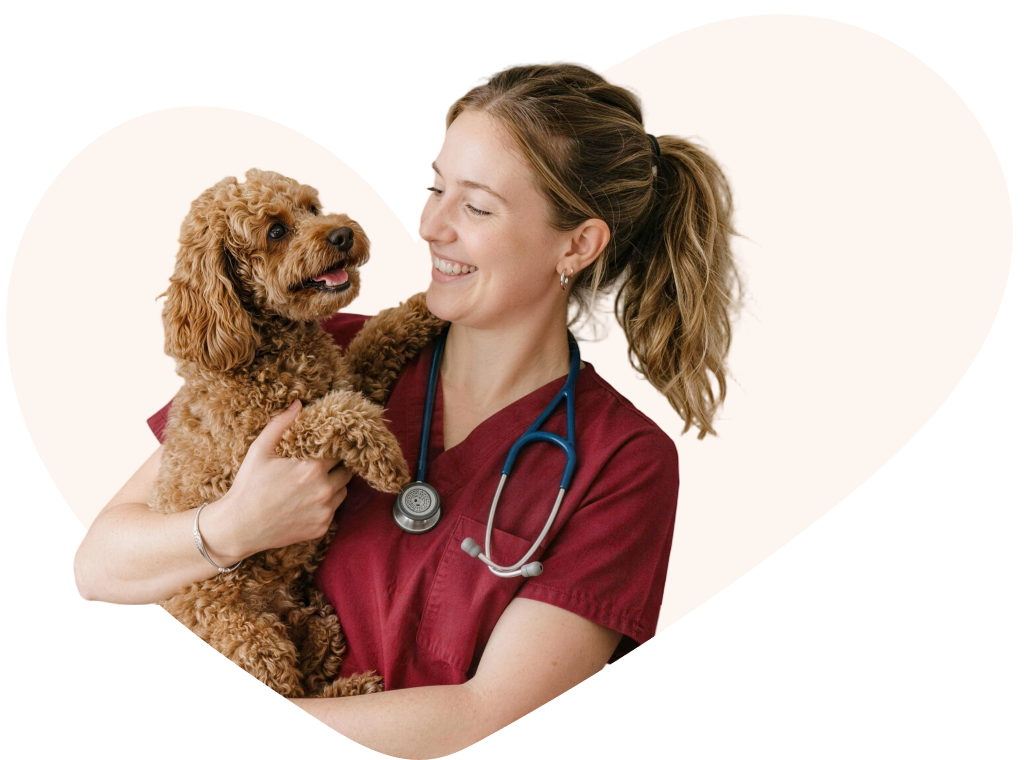
Managing diabetes mellitus in companion animals presents unique clinical challenges that require precise, reliable, and non-disruptive monitoring tools. Traditional monitoring approaches often depend on periodic capillary blood sampling, which can induce physical discomfort and stress in pets, leading to transient glucose elevations.
Modern veterinary care is increasingly adopting continuous sensing technologies to observe full twenty-four-hour glycemic profiles. By capturing real-time fluctuations throughout the day and night, clinicians gain valuable insights into metabolic responses that isolated point-in-time tests cannot adequately reveal.
Selecting an appropriate continuous solution requires evaluating several critical technical factors, including sensor accuracy, physical durability, software integration, and manufacturer background. Careful assessment may help verify that chosen monitoring systems meet the practical demands of both busy clinical environments and domestic home care.
Establishing a thorough evaluation process helps veterinary practices select diagnostic tools that enhance patient comfort while providing actionable clinical data. Aligning hardware capabilities with animal physiology forms the foundation of effective long-term disease management for diabetic dogs and cats.
Evaluating Sensor Accuracy and Biological Compatibility for Animals
Veterinary practitioners should prioritize continuous sensors engineered to accommodate the specific subcutaneous tissue dynamics of canine and feline patients. Interstitial fluid composition, tissue perfusion, and capillary blood flow rates in companion animals differ notably from human biological profiles, requiring dedicated sensor design.
Deploying a dedicated pet glucose monitor helps address these physiological differences through specialized calibration algorithms. Veterinary CGM sensors measure interstitial glucose to help clinicians assess glucose trends, although readings may differ from blood glucose values, particularly during rapid changes.
Minimizing measurement lag is particularly crucial when evaluating potential hypoglycemic episodes or assessing physiological responses to newly initiated insulin regimens. Accurate real-time feedback enables clinicians to fine-tune therapeutic dosages with greater clinical precision and confidence.
Furthermore, stress reduction plays a pivotal role in obtaining accurate diagnostic records. Non-invasive or minimally invasive continuous tracking reduces anxiety associated with frequent handling, helping prevent stress-induced hyperglycemia from obscuring baseline metabolic trends during clinical evaluations.
Assessing Wearable Design and Mechanical Attachment Stability
Physical activity levels, grooming behaviors, and varying coat densities present unique physical challenges for wearable medical devices on animals. A sensor intended for veterinary applications must feature a low-profile form factor that minimizes interference with regular daily movement and physical exercise.
Compact and lightweight construction helps reduce interference with daily movement and lowers the risk of the device being snagged or dislodged during active play or rest. Smooth outer housing edges further reduce the likelihood of mechanical snagging against household furniture, carpets, or dense outdoor vegetation during routine daily routines.
Adhesive integrity represents another vital factor in maintaining continuous signal transmission over extended monitoring periods. High-grade biocompatible adhesives must secure the sensor firmly to shaved skin surfaces while remaining gentle enough to prevent localized dermal irritation or inflammation.
Water-resistant housing can help protect the sensor during incidental moisture exposure, but users should follow the manufacturer’s specified water-resistance limits. Durable physical construction allows care teams to gather uninterrupted multi-day datasets without requiring frequent sensor replacements.
Leveraging Comprehensive Manufacturing Standards and Supplier Expertise
Evaluating the operational background and research foundation of medical device manufacturers remains essential for veterinary practices seeking long-term hardware partners. Reliable suppliers provide consistent manufacturing standards, minimizing batch-to-batch variability in sensor responsiveness and baseline accuracy.
Partnering with established global innovators like Sinocare offers strong reassurance regarding automated production quality and stringent quality testing protocols. Drawing on more than two decades of experience in biosensor development, Sinocare, whose portfolio includes the iCan CGM system for human users, has built multiple technical platforms and automated production capabilities, which may help support manufacturing consistency and product performance.
Automated assembly processes are intended to support consistency in calibration during large-scale production runs. Batch-level quality documentation, where available, can provide additional context for veterinary clinics evaluating continuous tracking protocols. Such documentation should not be interpreted as a guarantee against hardware changes or quality shifts; clinics may wish to review any available change-control and batch-release information for the device under consideration.
Robust quality assurance documentation and transparent post-market support further enhance clinical confidence among veterinary professionals. Choosing experienced manufacturing partners helps healthcare facilities maintain seamless operational workflows and deliver consistent standards of comprehensive patient care.
Analyzing Data Visualization and Software Integration Capabilities
Collecting continuous glycemic metrics is only effective if data can be easily analyzed and interpreted by veterinary care teams. Raw numerical streams should be transformed into intuitive graphical dashboards that clearly summarize daily glycemic fluctuations and physiological trends.
Veterinary monitoring applications, such as the iPeTek app, can display glucose updates every three minutes alongside history curves and generate glucose reports intended to support clinical review. Visual representations of time in target range, glycemic variability, and median glucose curves assist clinicians in rapidly identifying problematic glycemic patterns.
Integrated application ecosystems allow pet owners to record daily event logs, including meal times, physical activity, and insulin administration schedules. Correlating physical activities with continuous glucose curves helps veterinarians distinguish between dietary spikes, exercise-induced changes, and underlying physiological shifts.
Remote data sharing functionality enables pet guardians to transmit monitoring logs directly to the clinic for remote clinical review. This seamless digital communication reduces the necessity for frequent clinic visits while allowing timely therapeutic adjustments between formal checkups.
Prioritizing Client Usability and Long Term Care Compliance
Successful long-term management of diabetic pets relies heavily on client adherence and ease of device operation in domestic settings. Complex application procedures can overwhelm pet owners, potentially leading to inconsistent monitoring routines or premature discontinuation of necessary care plans.
Simple applicator designs and clear instructional guides empower clients to perform sensor placements confidently at home. Painless insertion mechanisms reduce anxiety for both the animal and the owner, fostering a sustainable long-term monitoring routine without unnecessary stress.
Customizable alert thresholds provide an extra layer of safety by notifying owners of impending high or low glucose conditions. Timely alerts allow guardians to take prompt corrective measures, such as offering food or contacting the clinic, before severe symptoms develop.
Fostering strong collaboration between veterinary clinics and pet owners through intuitive monitoring tools ultimately enhances treatment efficacy. Comprehensive tracking supports healthier, more comfortable lives for diabetic companion animals while giving pet owners lasting confidence and valuable peace of mind.
