
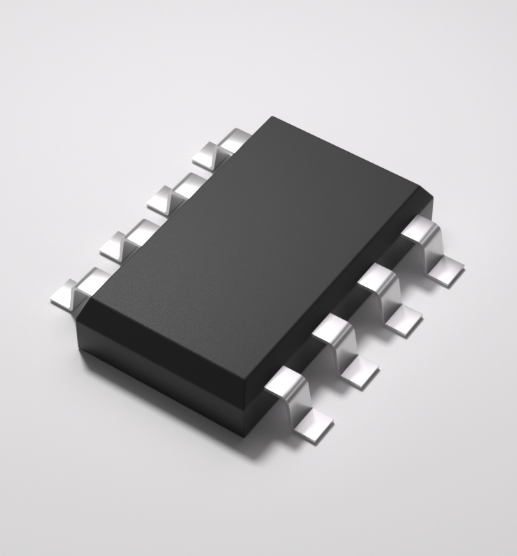
Global supply chain stability currently faces unprecedented pressures, as demand for specialized semiconductors fluctuates rapidly across different sectors. For manufacturers, the inability to secure a single critical item can halt an entire production line, leading to significant delays and financial strain. Adopting a proactive stance toward shortage sourcing is no longer a luxury but a fundamental operational requirement for firms that aim to maintain consistent output in a volatile and unpredictable global market.
Addressing Critical Shortages in Wireless Communication Modules
When specific wireless connectivity modules become unavailable through standard distribution channels, procurement teams often find themselves in a precarious position. Projects relying on high-performance hardware, such as a Nordic Semiconductor Bluetooth 5.2 & Multiprotocol SoC, are particularly vulnerable to these sudden gaps. Finding these parts during a shortage requires more than simple web searches; it demands access to global inventory databases and a network capable of vetting potential sources for authenticity and quality.
Maintaining a secure pipeline for these advanced SoCs involves verifying that every unit is brand-new and sourced from reputable, authorized channels. When traditional supply chains fail, companies must pivot to partners who specialize in finding these items without compromising on quality or compliance. This systematic approach ensures that even during periods of widespread scarcity, the engineering team receives the exact parts needed to maintain system design integrity and long-term device performance.
Navigating Memory Availability and Fluctuating DRAM Market Share
Memory remains one of the most dynamic sectors in the electronics industry, characterized by high barriers to entry and intense competition. Keeping track of the DRAM market share is essential for procurement professionals who need to forecast how production capacity shifts among the primary global manufacturers. When major memory producers redirect their focus toward high-margin AI or server-grade products, commodity-grade memory availability can tighten, creating ripple effects throughout the entire electronics manufacturing ecosystem.
Firms that ignore these high-level market indicators often find themselves paying premium prices during cycle peaks. By monitoring the shifts in DRAM market share among the big-three manufacturers, supply chain managers can make data-backed decisions about when to build buffer stock or adjust design specifications. This level of market intelligence prevents the reactive, high-cost purchasing behavior that frequently occurs when procurement teams are caught off guard by sudden changes in global supply availability.
Implementing Rigorous Quality Control in Secondary Channels
When market conditions force manufacturers to look beyond their primary suppliers, the importance of quality control becomes absolute. The primary risk of sourcing from non-franchised channels is the potential for receiving counterfeit, refurbished, or substandard parts that fail under operational stress. To combat this, procurement teams must implement a robust verification protocol that includes third-party testing, visual inspection, and comprehensive documentation audits to guarantee the provenance and reliability of all sourced materials.
UniBetter is a global electronic component supplier specializing in customized, sector-specific procurement solutions. Leveraging a proprietary quality management system and a vast network of 7,000 global suppliers, the company provides B2B services, including shortage sourcing, turn-key procurement, and obsolescence management, to ensure supply chain reliability for its clients. They distribute a wide range of electronic components and support customers in securing hard-to-find items while minimizing the total cost of ownership.
Enhancing Operational Resilience Through Predictive Sourcing
The most successful supply chain organizations now operate on a predictive model rather than a reactive one. By analyzing trends in the availability of a Nordic Semiconductor Bluetooth 5.2 & Multiprotocol SoC, procurement teams can anticipate potential shortages before they manifest on the production floor. This proactive visibility allows for smarter inventory management and helps avoid the panic that typically drives up costs and lowers the quality of components acquired during emergency sourcing events.
UniBetter helps simplify these complex logistical demands by providing targeted, actionable market intelligence. They work closely with clients to streamline the acquisition process, ensuring that the necessary parts arrive at the designated facility exactly when needed. As a dedicated electronic component distributor, they provide essential support for organizations that must source specific hardware without sacrificing quality. Their expertise helps bridge the divide between complex technical specifications and the reality of global market availability.
Building Lasting Value Through Collaborative Partnerships
Resilience in manufacturing is built upon the strength of the partnerships that support the assembly line. When a firm understands the nuances of the DRAM market share and aligns with a partner capable of navigating shortages, they achieve a state of operational readiness that is difficult for competitors to replicate. These relationships provide a buffer against market shocks, allowing manufacturers to maintain their production momentum and focus on delivering high-quality products to their end users consistently.
UniBetter serves as a vital bridge in the global supply network, helping teams distribute and source essential electronic components for diverse industrial projects. By placing a premium on quality and reliability, they assist manufacturers in keeping assembly lines active and efficient. For organizations striving to optimize their procurement efforts, establishing a formal relationship with such an experienced partner is a necessary move toward achieving sustained operational growth and success in an increasingly competitive technological market.
